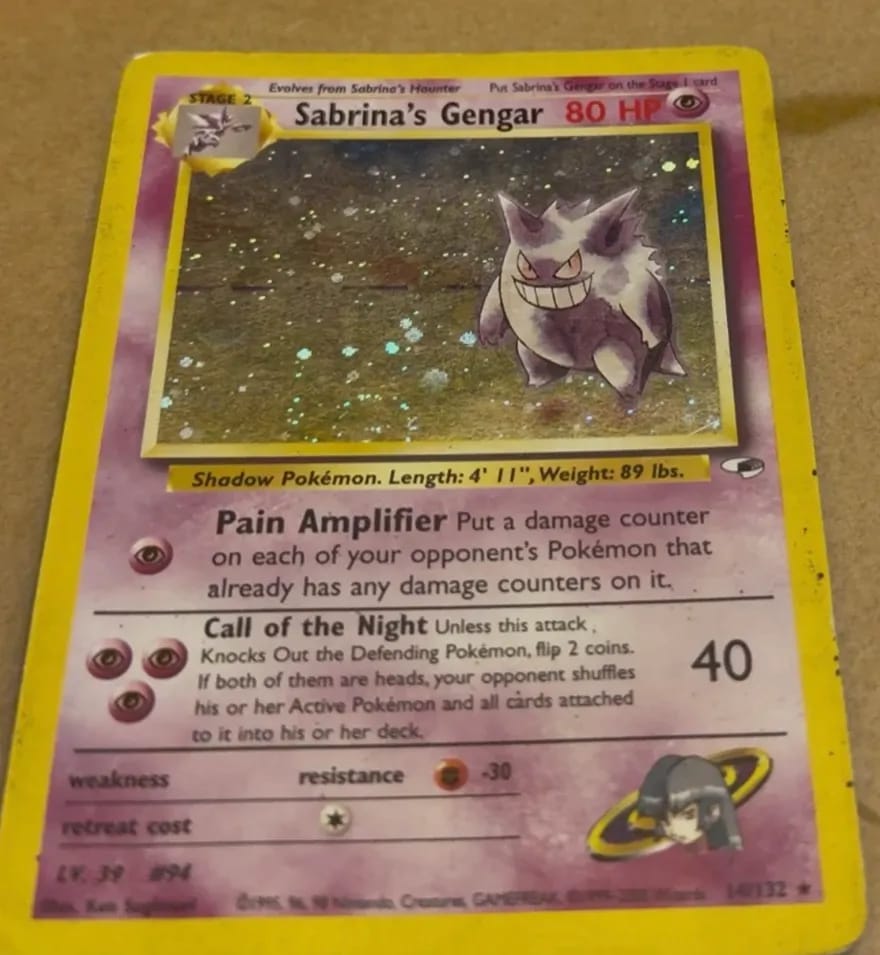
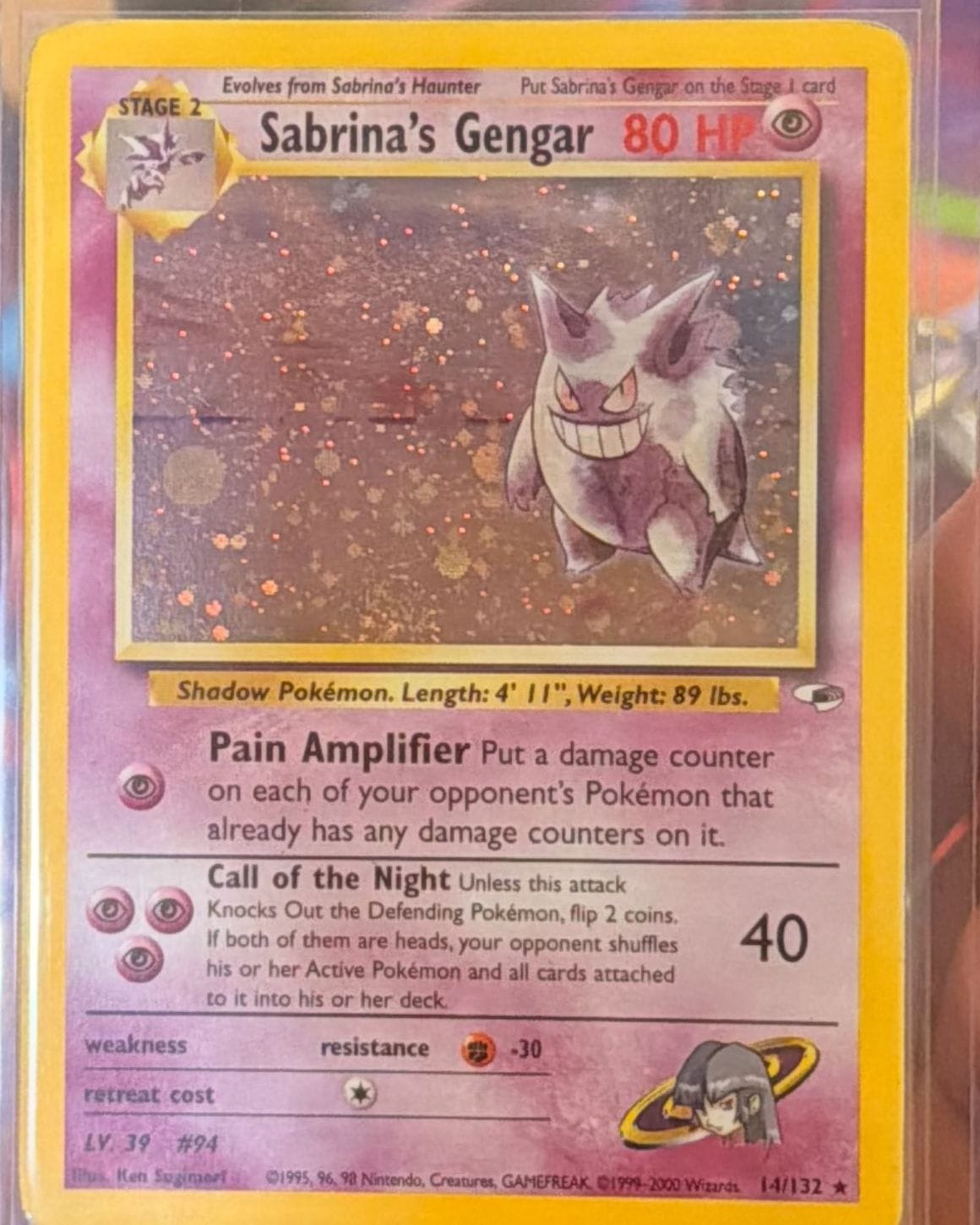
Sabrina’s Gengar, a holographic Pokémon card with a yellow border, in a clear toploader against a dark background.

GemCardLab: Pokémon card cleaning and restoration.

Show us the card. We’ll explain what may improve, what will remain and the price before you decide.

Get a quoteSee the services

Pressing or cleaning can rule out a number grade. Read this first.

@gemcardlab(703) 762-6223Email us

Sabrina’s Gengar, 14/132, after cleaning, set on a dark ground. The red line is an illustration, not part of the photo.

Services

Six kinds of damage, each quoted per card once we’ve seen it. What may stay is listed with each one.

Our photographs are cropped, not retouched. Results vary from card to card.

Compare the marked area, then use Enlarge for a closer look. Light, angle and holders can differ; each caption explains how.

See more work on Instagram

  1. Creases

    Light folds and crease lines reduced, so the card lies flatter.

    Limits Only some creases come out. A hard fold that cracked the ink will still show a line.

    Work time Deep crease cleaning: 1–3 business days once your card arrives.

    Covers: Soft creasesCorner foldsCrease lines

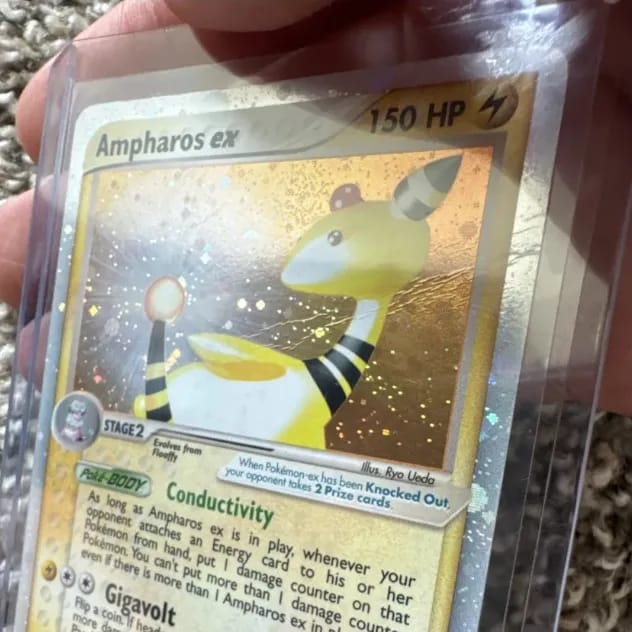
    Ampharos ex in a toploader, a wavy crease line catching the light across the holo behind its head.

    BeforeEnlarge

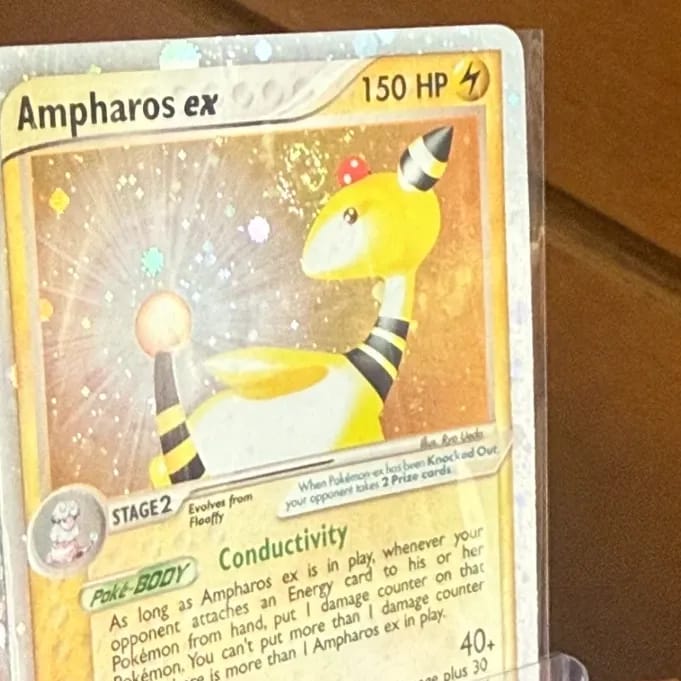
    The same Ampharos ex in a sleeve, the holo behind its head smooth.

    AfterEnlarge

    Ampharos ex

    Look at the holo beside Ampharos’s head.

    A crease line shows there in the Before photo and not in the After.

    The first is in a toploader, the second in a sleeve; light and angle differ too.

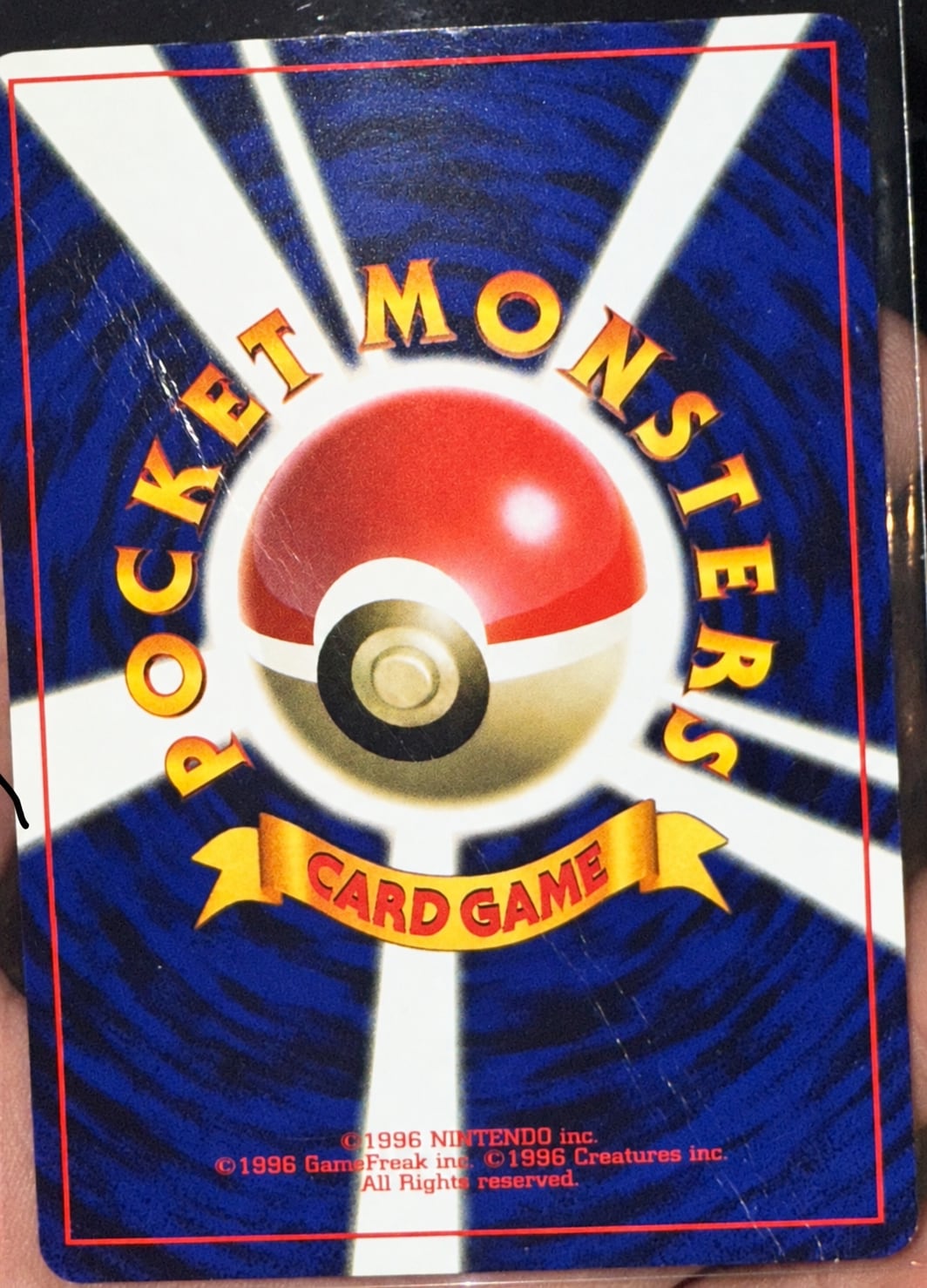
    Close-up of the left side of a Pocket Monsters card back before the crease was fixed: a white crease line runs diagonally through the blue and across the orange lettering beside the Poké Ball.

    BeforeEnlarge

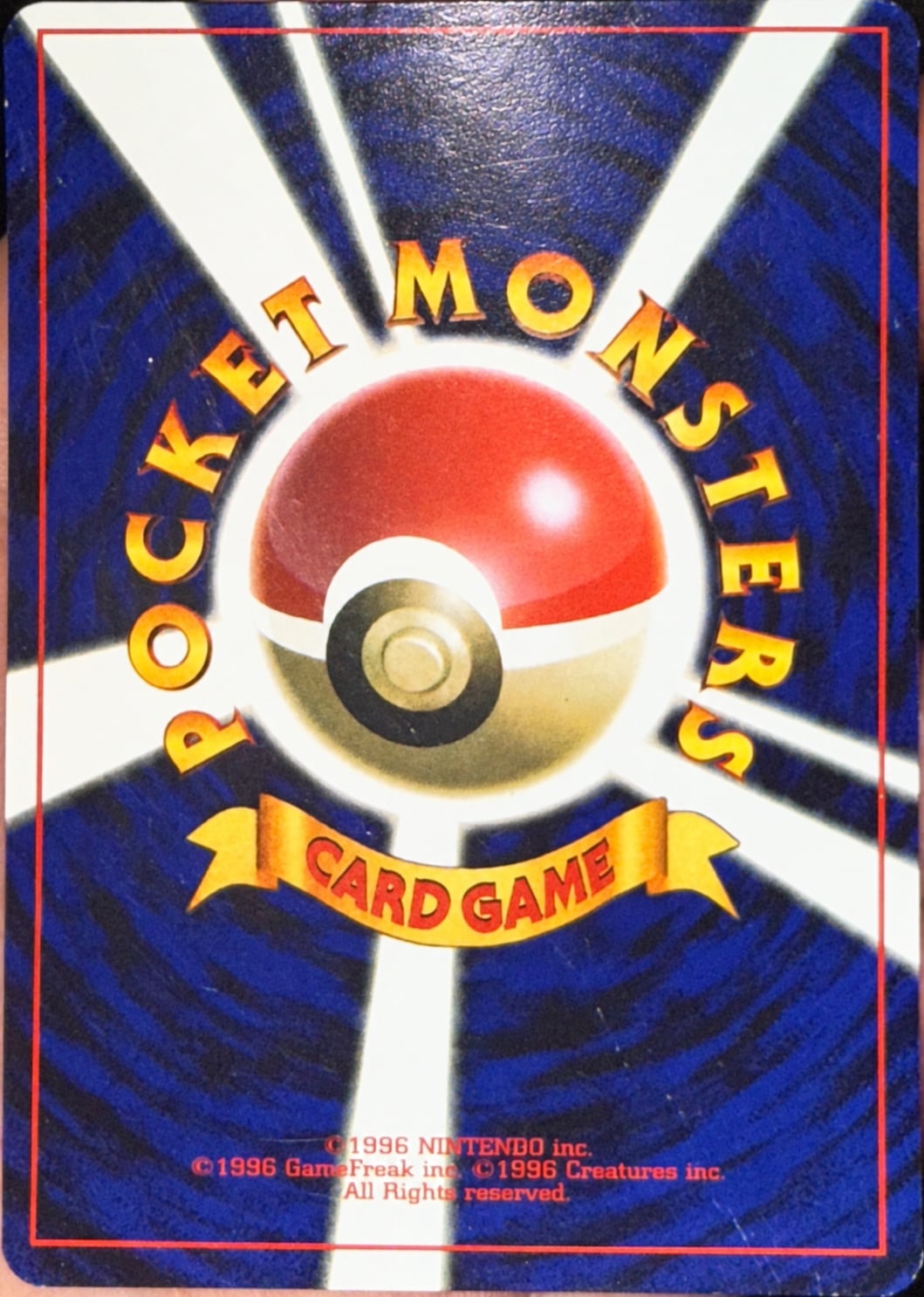
    The same part of the same Pocket Monsters card back after the crease was fixed: the blue and the lettering beside the Poké Ball show no crease line, only faint hairline marks.

    AfterEnlarge

    Pocket Monsters card back

    Look at the lettering and the blue behind it, left of the Poké Ball.

    A white crease line shows through the blue and across the lettering in the Before photo and not in the After. Fine hairline marks remain on the lettering and the ball.

    Light, angle and framing differ: the first is closer and cuts off the card’s left edge, the second shows the whole card.

    Quote for creases
  2. Dirt

    Dust, grime and the grey film cards pick up from hands, sleeves and binders, cleaned from the surface.

    Limits Marks that soaked into the card, like water stains, may not come out. Surface dirt usually does.

    Work time Cleaning: 1–2 business days once your card arrives.

    Covers: DustGrimeBinder film

    Sabrina’s Gengar lying on a table, dark specks and grime on its yellow border.

    BeforeEnlarge

    The same Sabrina’s Gengar in a toploader, its yellow border clean.

    AfterEnlarge

    Sabrina’s Gengar, 14/132

    Look at the yellow border.

    Dark specks show along it in the Before photo and not in the After.

    The first is on a table, the second in a toploader; light differs too.

    Quote for dirt
  3. Dents

    Small dents and dings eased, the kind binder rings and loose storage leave.

    Limits Only shallow dents ease. A dent that broke the surface will still show a mark, and deeper dents may stay visible.

    Covers: DingsRing dentsIndents

    Quote for dents
  4. Bends

    Bent, bowed and curling cards flattened where the card allows.

    Limits A sharp bend can leave a line, the way a crease does. Light curl, from humidity for example, often flattens.

    Covers: BendsBowingHolo curl

    Quote for bends
  5. Haze

    Fingerprints, smudges and haze cleaned from holo and foil surfaces.

    Limits Scratches in the foil are permanent. Haze and fingerprints can usually be cleared.

    Covers: FingerprintsSmudgesHolo haze

    Quote for haze
  6. Stains

    Sticky residue, tape marks and surface stains taken off where they can be.

    Limits A stain that has soaked in may only fade. Surface residue can often be lifted.

    Covers: ResidueTape marksSurface stains

    Quote for stains

Before you grade

Pressing or cleaning can rule out a number grade.

Graders treat some restoration as alteration. PSA lists crease and wrinkle pressing, and cleaning sprays or solutions, among signs of an altered card; CGC lists pressing, chemical cleaning and stain removal. A card judged altered doesn’t get a number grade from either. What counts depends on the card and the evidence of treatment, so a gentle job is no guarantee either way. If you plan to grade, tell us before we start.

Sources: PSA grading standards, “Altered Stock” and “Evidence of Cleaning” (checked October 7, 2026); CGC Cards, “Cards we grade” (checked October 7, 2026)

How it works

Photos first, a quote second, posting last.

  1. Step 1Show the conditionFront and back, plus an angled photo for creases or dents. Include each card if there are several.
  2. Step 2We replyWhat we can improve, what we can’t, and the price.
  3. Step 3You decideNothing is posted or touched until you say yes.
  4. Step 4Agree the next stepsConfirm the treatment, timing and return arrangements before posting. We give you our mailing address when you book or message us.

Once your card arrives, deep crease cleaning takes 1–3 business days. Cleaning, scratch removal and polishing take 1–2 business days.

Practical details

Price and timing

How long does the work take?
Once your card arrives, deep crease cleaning takes 1–3 business days. Cleaning, scratch removal and polishing take 1–2 business days.
How can I pay?
We accept all major electronic payment methods.

Mailing your card

How do I send my card?
You mail your card to our secure mailing address. We give you the address when you book or message us.

Contact

How do I contact you?
Write to hello@gemcardlab.com.
Prefer to speak to us?
Call (703) 762-6223.
Where do I send photographs?
Message us on Instagram · @gemcardlab.
Can I ask about several cards?
Yes. Include the name and front-and-back photos for each card in your Instagram message or email. Each card is quoted individually.

The full details

Where are the full details?
For timing, payment and mailing your card, see How we work.
What happens to my photos and details?
For who handles them, what is done to them and how they are kept, see Privacy.

Before you send

What should my quote include?
Ask for the proposed treatment, the price of the work, any assessment charge, return postage and expected timing. Confirm these before sending a card.
What about a valuable or sentimental card?
Ask about intake records, storage, tracking, insurance and responsibility for loss or damage. Decide whether those arrangements suit your card before posting it.
What if the damage can’t be fixed?
We say so before you decide. Each service above lists what usually stays: a hard fold that cracked the ink, scratches in foil, and stains that have soaked in.
Could this affect grading?
Pressing or cleaning can rule out a number grade. What PSA and CGC say is set out, with links, in Before you grade.

Get a quote

One card or a collection. Show us the condition first; we’ll explain what may improve and the price before you decide.

No photos or contact details are collected on this page. You choose what to share when you contact us. How your photos and details are used and kept.

Start with a conversation

Send the photos on Instagram or by email.

Front and back of each card, with an angled photo for a crease or dent. Several cards? Include their names and keep each pair together.

Instagram opens separately. Attach your photos and send the message there. Email opens your email app with a message ready to edit; attach your photos there.

Want a starting message? Prepare one here.

Optional. These answers stay in your browser; this page sends nothing.

One card per line. Names and numbers help, but a clear photo is enough to start.

Do you plan to grade any of these cards?

Tell us which cards if your plans differ. Read the grading caution.

Email this message

Copying prepares the message. It does not send it.

Before you post a card

Confirm the proposed work, total price, expected timing, return postage and responsibility for damage or loss. For a valuable or irreplaceable card, ask about handling and insurance before deciding.

Photos start the conversation. They do not authorise treatment or publication.

When you’ve approved the quote: packing

  1. Sleeve, then toploader. A soft penny sleeve first, then slide it into a rigid toploader.
  2. Seal the top. Close the toploader’s opening with a team bag or a strip of painter’s tape, so the card can’t slide out.
  3. Sandwich it. Place it between two pieces of stiff cardboard, cut a little larger than the toploader.
  4. Post it tracked. A padded envelope or small box, with tracking. We give you our mailing address when you book or message us.
How we look at a cardFive close-ups of our own cards

Five things worth a close look on a card.

  • The Blaziken card in a soft sleeve on a brown work mat, a wooden-handled tool and a cloth beside it.
    Blaziken, 1/17, after: back in a sleeve on the bench.

    Surface first

    Most of what dulls a card sits on top of it: dust, skin oil, the grey film from sleeves and binders. A low light from the side shows it best.

  • The right edge of Sabrina’s Gengar before cleaning, dark specks along its yellow border.
    Sabrina’s Gengar before cleaning: specks along the yellow border.

    Corners keep score

    Corners and edges take the knocks and collect the grime. Soft corners, pale edges and marks show there first.

  • Close-up of the Blaziken card’s right edge before, two crease lines cracking across the red border and the yellow edge.
    Blaziken, 1/17, before: crease lines at the right edge.

    A crease catches the light

    Under a low lamp from the side, a crease shows as a line of light, even where it’s hard to see straight on. That’s why an angled photo helps us assess a crease.

  • Close-up of the back of a Pokémon card, small dark spots scattered across the blue swirl and the Poké Ball.
    A card back with dark spots across the blue.

    Print stays put

    Dirt that sits on the card, like these dark spots across a card back, can come off. The ink printed underneath it can’t.

  • Close-up of Ampharos ex’s holo artwork, the sparkle pattern smooth behind its head.
    Ampharos ex, after: the holo behind its head.

    Foil takes a lighter touch

    Holo and foil scratch more easily than plain card. Fingerprints and haze sit on the surface and can come off; a scratch is in the foil and stays.

A little history of the cardsTwo moments, with sources

From the first cards in Japan in 1996 to the English sets the cards on this page come from.

The bottom of Sabrina’s Gengar: Sabrina’s portrait, the copyright line and the card number 14/132.
Sabrina’s Gengar, 14/132: the card number and the Wizards of the Coast copyright line.

2000: Gym Heroes

Gym Heroes, the sixth English set, arrived on August 14, 2000, with 132 cards. Sabrina’s Gengar, the card in the opening photograph, is number 14 of them.

Source: Wikipedia, “List of Pokémon Trading Card Game sets”